Posts

Persian Pottery

Persian Pottery

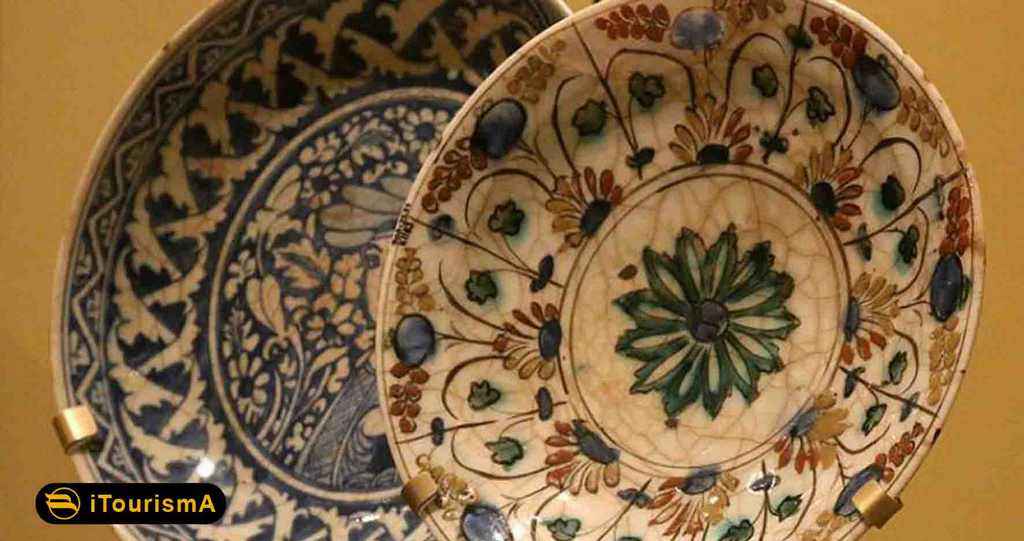
Iranian pottery production presents a continuous history from the beginning of Iranian history until the present day. In Iran pottery manufacture has a long and brilliant history. Due to the special geographical position of the country, being at the crossroads of ancient civilizations and on important caravan routes, almost every part of Iran was, at times, involved in pottery making. Yet, recent excavations and archaeological research revealed that there were four major pottery-manufacturing areas in the Iranian plateau. These included the western part of the country, namely the area west of the Zagros Mountains (Lorestan), and the area south of the Caspian Sea (Gilan and Mazandaran provinces).
Persian Pottery

One of the earliest known and excavated prehistoric sites that produced pottery is Ganj Darreh Tappeh in the Kermanshah region. Another great discovery was made south of the Caspian Sea in a cave, in the so-called Kamarband, (Belt cave) near present day Behshahr.

With the invention and the introduction of the potter’s wheel, it became possible to produce better quality and symmetrically-shaped vessels; the number of pottery types made was greatly increased as well. The decoration of these objects was made with much greater care and artistic skill, and the designs used were greatly enriched and carefully selected.

Persian Pottery

In general the history of Iranian-Islamic pottery can be divided into three main periods Post-Sassanian or Early Islamic Period; Middle Islamic Period; Later Islamic Period.

In these three periods, which lasted for more than a thousand years, numerous pottery centers were established, which produced innumerable types of wares.

Currently, pottery art is popular in traditional and industrial ways in Iran, and its main centers are: Laljin, Hamedan, Meybod, Yazd, Kalporgan, Minab, Gilan, Gonabad, Shahreza and etc.

Laljin

Laljin is known as the Middle East pottery and ceramic works. 80 percent of the population of the city of Laljin is engaged in pottery and ceramic works.

Persian Pottery

Local Costume and Food of Khorasan People

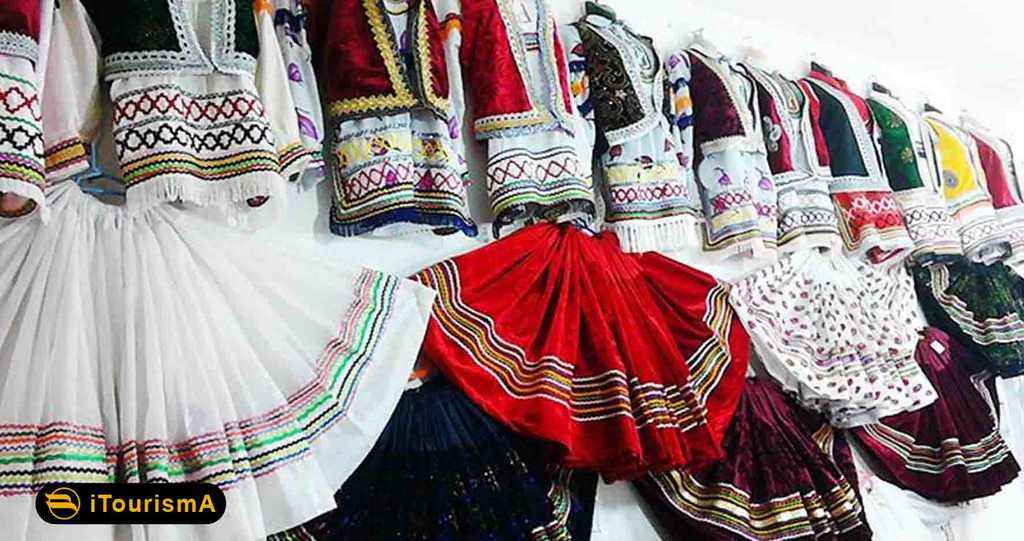
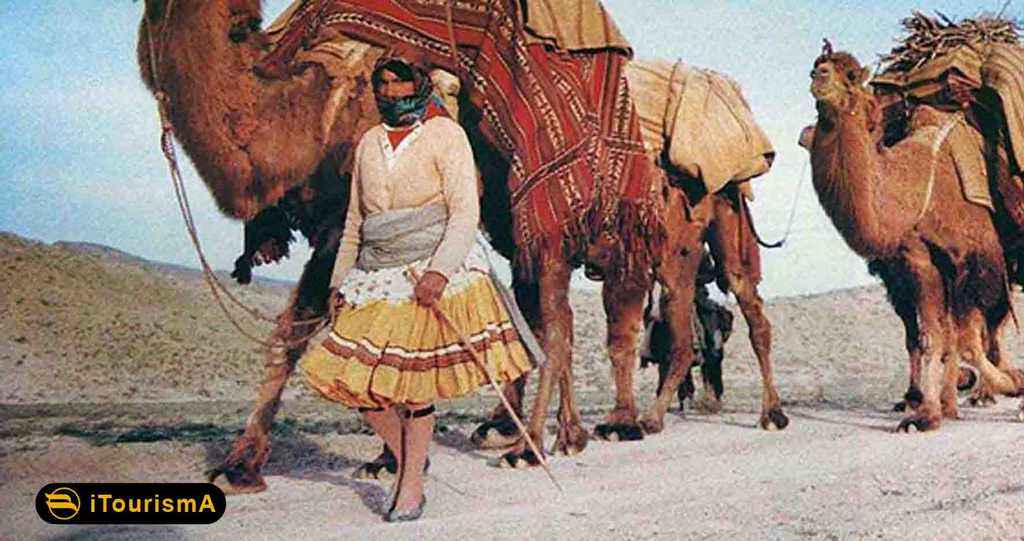
Local Costume of Khorasaan People

In Great Khorasaan province which is divided into 3 parts, different people are living such as Turkoman, Kurd, Balouch and etc.

Balouch people are settled in southern and eastern parts of Khorasaan Razavi and wear their own costume which is decorated with needlework.

پوشش محلی و غذاهای محلی مردم خراسان

Turkoman people live in northern parts of Khorasaan Razavi. The most important part of Turkoman women’s wear is a red dress called “Chavak”. For men this long dress is called “doon” and it’s the major part of their clothing. There are two types of hats called “Boorik” with needlework and “Talpak” with long wool. In Ghouchan, Dargaz and Kalaat, Turkish and Kurdish people wear their own costume. Kurdish men’s wear are similar to the ones in Kurdistan.

پوشش محلی و غذاهای محلی مردم خراسان

In Kermanj, women wear “Shilvaar” which is a corrugated skirt with detailed fringe.

پوشش محلی و غذاهای محلی مردم خراسان

The main women’s wear in Khorasaan is “Shalite”. A layered and corrugated skirt with vest and scarf.

پوشش محلی و غذاهای محلی مردم خراسان

Finally, when we talk about Khorasaan Costume, we all remember the bust, white pants and turban which people wear during a dance called “Choub Baazi”.

پوشش محلی و غذاهای محلی مردم خراسان

Khorasaan Local Food

One of the most amazing parts of traveling to a new province is tasting its local food that can get us familiar with their taste. Great Khorasaan province has its own local food like Kome joush, Khorasaan lentils halim, saateri polo,reshteh suzmeh, ghorouto, Neyshabour oatmeal soup, tougi sardaaghi and etc.

پوشش محلی و غذاهای محلی مردم خراسان

The Iranian Famous Men (Part 2)

Thirty-three names of Iranian Famous Men have been registered by UNESCO so far. 5 of these glorious celebrities was introduced in the first part. 5 others introduces in this part.

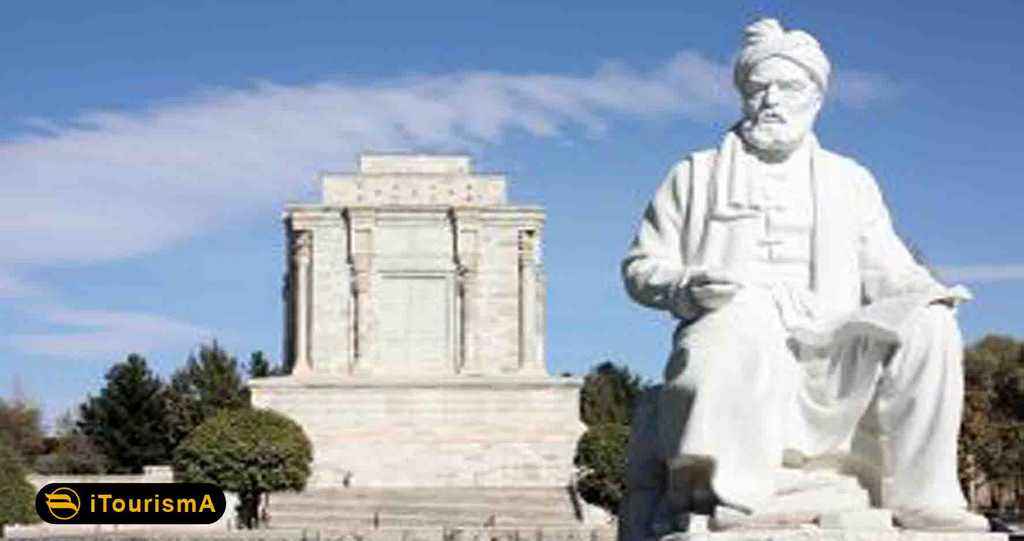
6. Ferdowsi

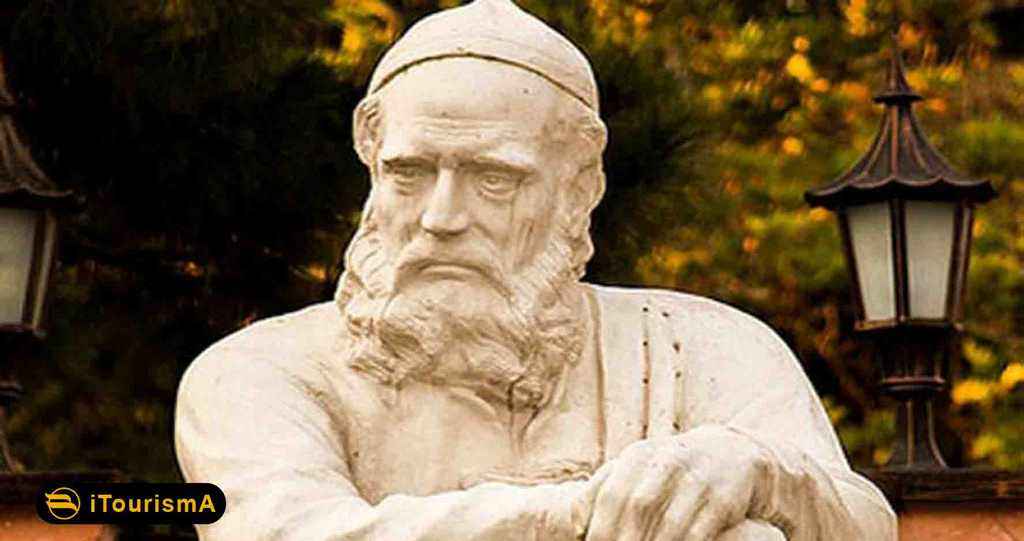
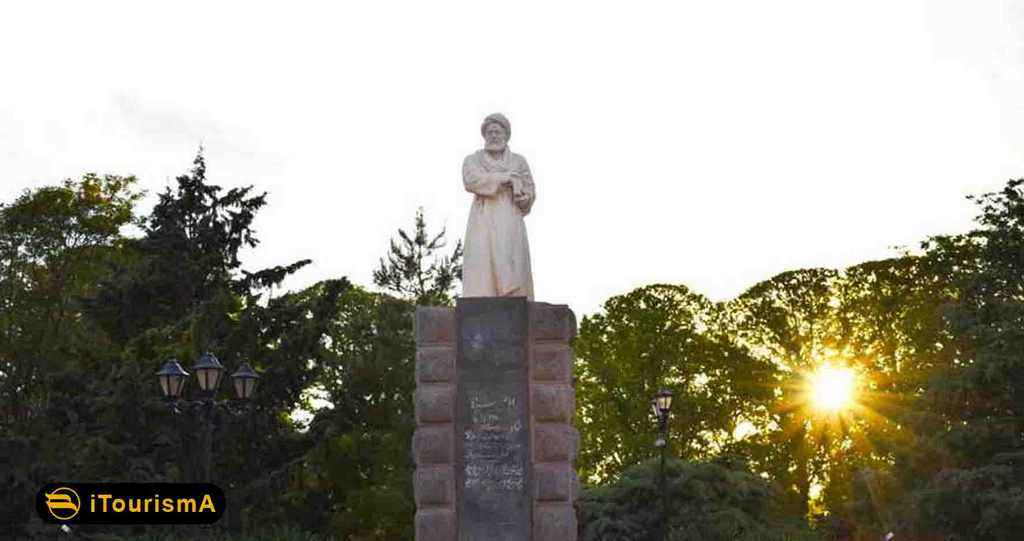
Ferdowsi (940–1020), was a Persian poet and the author of Shahnameh (Book of Kings), which is the world’s longest epic poem created by a single poet. Ferdowsi is celebrated as the most influential figure in Persian literature and one of the greatest in the history of literature.

7. Saib Tabrizi

Saib Tabrizi also called Saib Isfahani (born in Tabriz in 1592) was a Persian poet and one of the greatest masters of a form of classical Arabic and Persian lyric poetry characterized by rhymed couplets, known as the Ghazal.

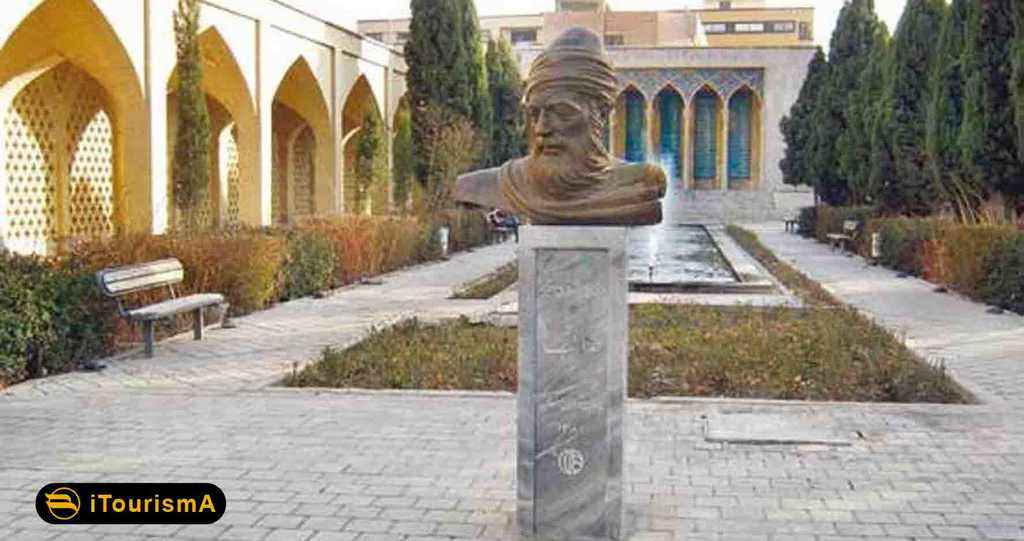
8. Omar Khayyam

Omar Khayyam was a Persian mathematician, astronomer, and poet. He was born in Neyshabur, in northeastern Iran. As a mathematician, he is most notable for his work on the classification and solution of cubic equations, where he provided geometric solutions by the intersection of conics. Khayyam also contributed to the understanding of the parallel axiom. As an astronomer, he designed the Jalali calendar, a solar calendar with a very precise 33-year intercalation cycle.

9. Jami

Jami, was a Persian poet, musician, literate and Sufi in 16th century. He is known for his achievements as a prolific scholar and writer of mystical Sufi literature. There are more than forty useful and valuable works from Jami.

10. Nima Yooshij

Ali Esfandiari, was a contemporary Persian and Tabarian poet who started the She’r-e now (new poetry) also known as She’r-e nimaa’i trend in Iran. He is considered as the father of modern Persian poetry.

The Iranian Famous Men (Part 1)

Thirty-three names of Iranian Famous Men have been registered by UNESCO so far. 5 of these glorious celebrities will introduced in this part.

1- Avicenna

Ibn Sina also known as Abu Ali Sina, Pur Sina, and often known in the west as Avicenna (980 – 1037), was a Persian polymath who is regarded as one of the most significant physicians, astronomers, thinkers and writers of the Islamic Golden Age, and the father of modern medicine. Avicenna is also called the most influential philosopher of the pre-modern era.

His most famous works are The Book of Healing, a philosophical and scientific encyclopedia, and The Canon of Medicine, a medical encyclopedia which became a standard medical text at many medieval universities and remained in use as late as 1650 in 1973, Avicenna’s Canon of Medicine was reprinted in New York.

2- Saadi Shirazi

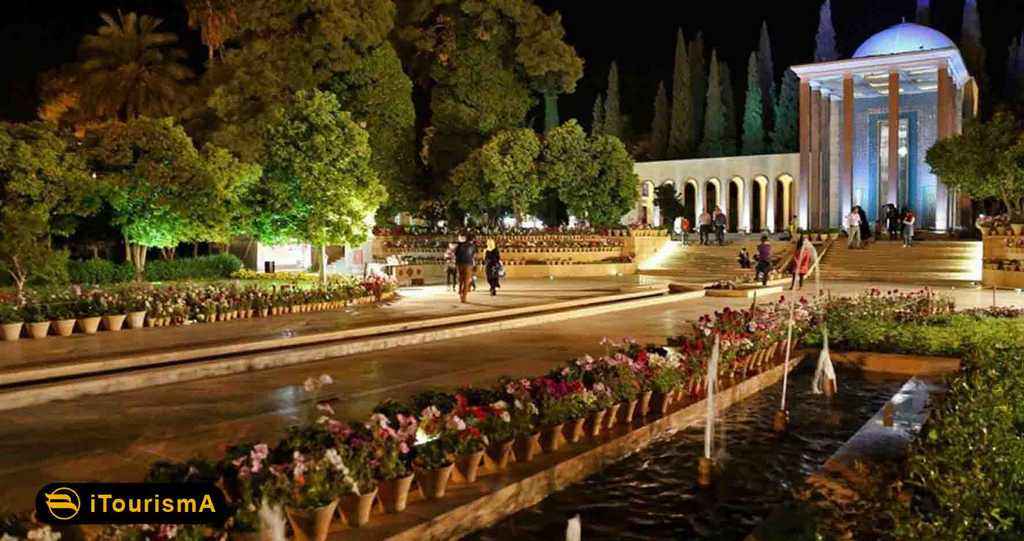
Moshrefedin Muslih known Saadi Shirazi, the great Persian poet off all time, was born in Shiraz in the 13th century. He is recognized for the quality of his writings and for the depth of his social and moral thoughts. Saadi is widely recognized as one of the greatest poets of the classical literary tradition, earning him the nickname “Master of Speech” or “The Master” among Persian scholars. He has been quoted in the Western traditions as well. Bustan is considered one of the 100 greatest books of all time according to The Guardian.

3- Al Ghazali

Al-Ghazali was one of the most prominent and influential philosophers, theologians, jurists, and mystics of Sunni Islam. He was of Persian origin.

4- Khwaja Abdullah Ansari

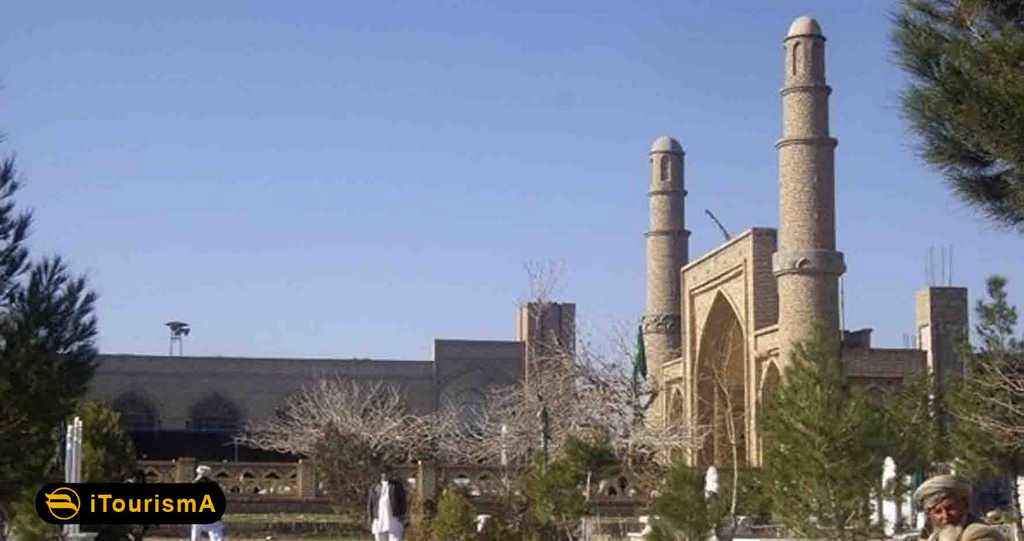
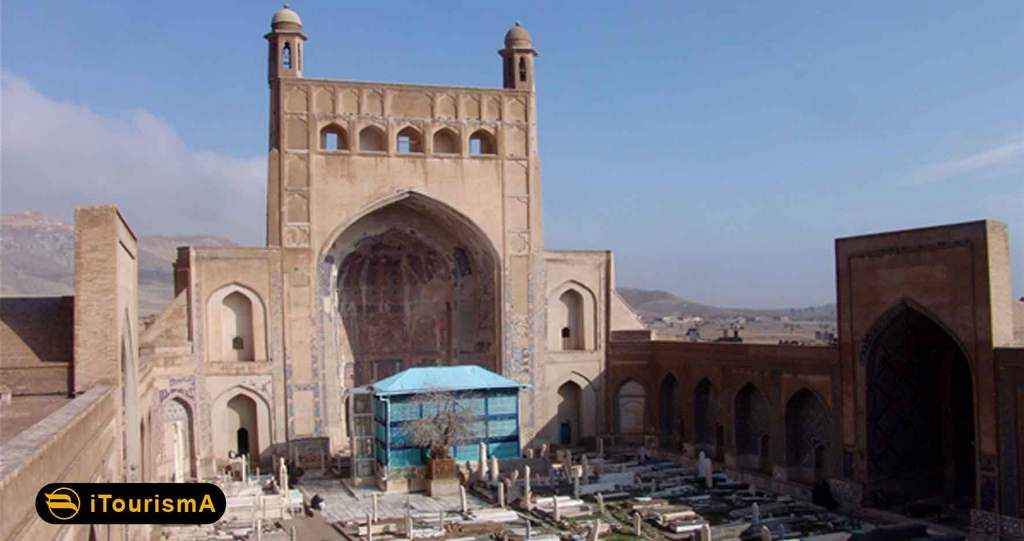
Abu Ismaïl Abdullah al-Herawi al-Ansari or Abdullah Ansari of Herat (1006–1088) also known as “Sage of Herat”, was a Persian Sufi saint of Arab origin who lived in the 11th century in Herat (then Khorasan, now Herat province, Afghanistan). He was commentator of the Qur’an, traditionist, polemicist, and spiritual master, and also known for his oratory and poetic talents in Arabic and Persian.

5- Hafez Shirazi

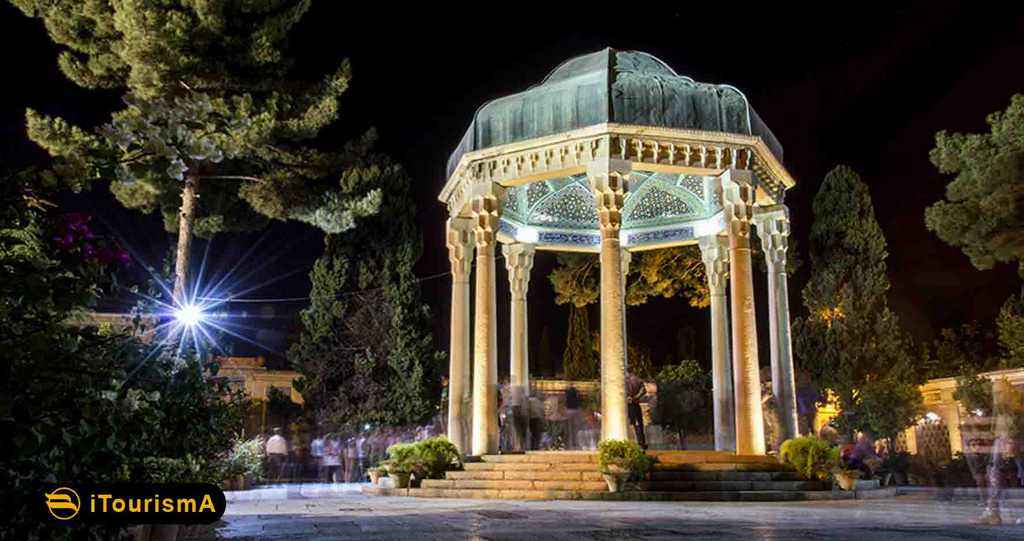
Khwajeh Shams al-Din Muhammad Hafez-e Shirazi (born in 1326 AD) is one of the most famous poets in Iranian history. Hafez was born in Shiraz, Iran. Hafez learnt the Quran by heart at an early age. Hafez also preserved the poetry of great poets such as Saadi, Attar, Rumi and Nezami during his adolescence. The Hefez Divan contains 500 sonnets, 42 quatrains and several tales that have been completed over 50 years.

Portfolio Items