Posts

Mashhad

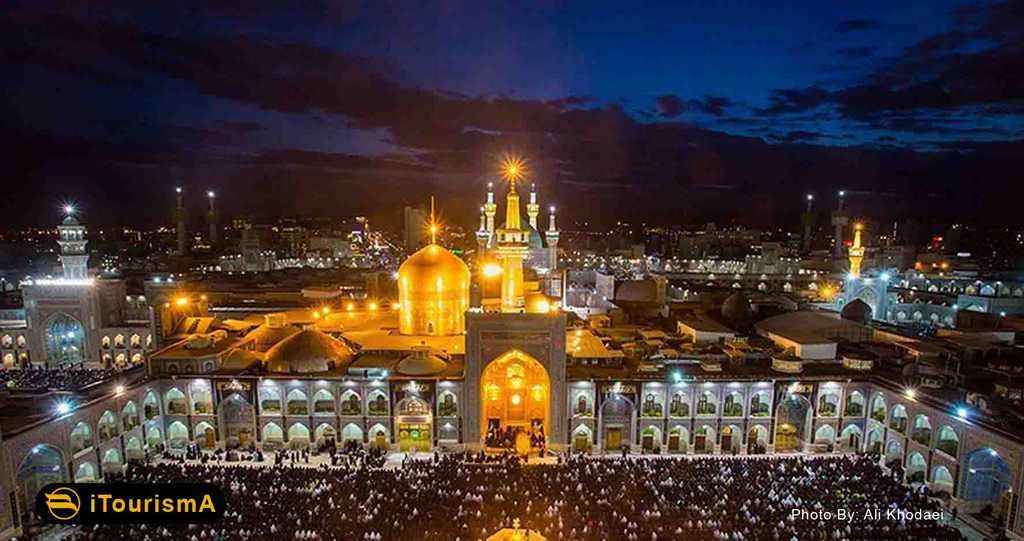
Mashhad is Iran’s holiest and second-largest city. The city is laid out in a roughly circular shape, with the religious edifices and monuments located in the centre and avenues radiating outward to approximately 12 neighborhoods, such as Malekabad, Sajjad, Shahrak-e Azadi, Kuy-e Imam Reza, and Sisabad. Not just a religious city, Mashhad is called the holy city of Iran because it is home to the tomb and shrine of Islam’s eighth Shia Imam, Imam Reza. Every year millions of pilgrims from around the world flock to this shrine, giving it a palpably spiritual and multinational feel. As one of the most magnificent religious places in Iran, Astan Qods Razavi is the symbol of Mashahd where the Islamic art and religion are linked to each other. Located along the Silk Road, it is the economic capital and the intercontinental commercial center in the Central Asia. Mashhad economic activities are dependent on the services, industry and agriculture; however, it is focused on a services-based economy due to the presence of the passengers and pilgrims who travel to there. About 40 percent of Mashhad industry is relied on the food, metal and handicraft industry. Tourism based on pilgrimages to the shrine of Imam Reza is a key part of Mashhad’s economy.
Mashhad

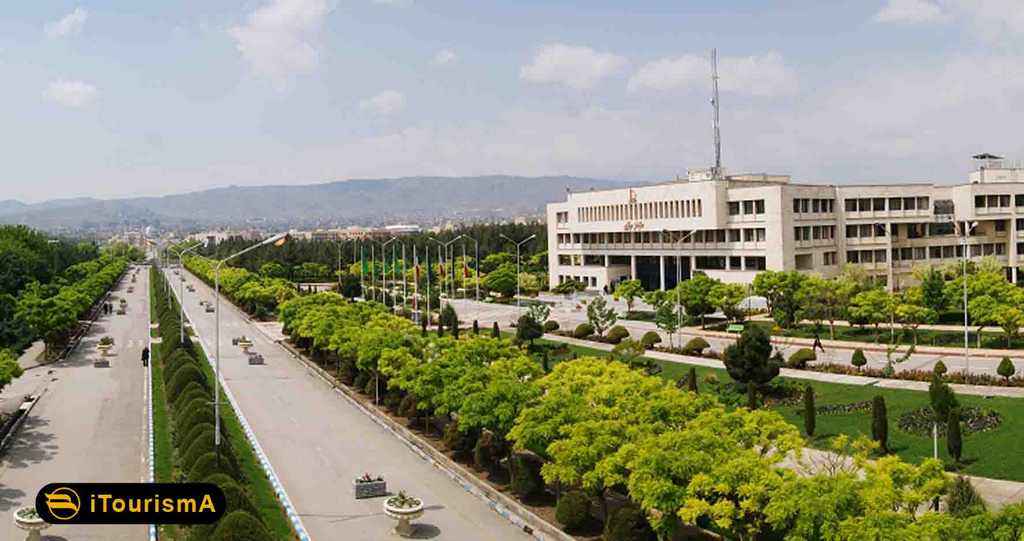
Most of Mashhad people are of Iranian Aryan race, although many Kurds, Turks and Arabs live there. Mashhad is a multiethnic city that includes Persians, Baluchis, Daris, Hazrajatis, Turkmen, Uzbeks, Tajiks, Kurds, and Lurs among its residents. Residents speak in Persian Language, Mashhadi accent and they are the followers of Ja’fari Shiite. Mashhad is the site of a prominent institution of higher education, Ferdowsi University of Mashhad, which has colleges of humanities, mathematics, natural sciences, theology, education, and veterinary medicine.
Mashhad

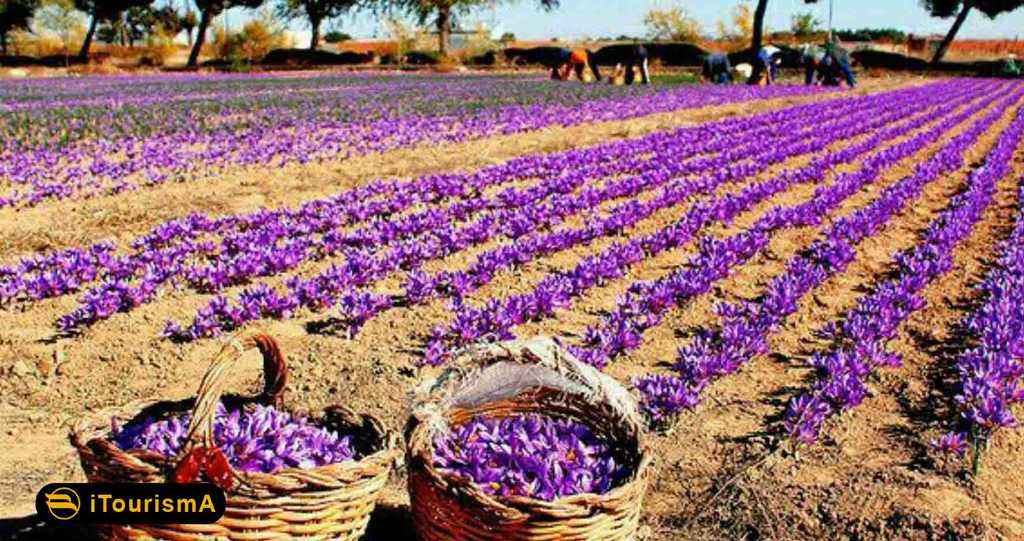
Mashhad is a good place to buy carpets with its own special carpet plans. Mashhad is also known for gemstones. The area with 39 known different varieties of gemstone is rich enough to export gemstones to many other countries. It has about 90 percent of gemstone workshops of the country which produce jewelry in addition to religious accessories such as rosaries and rings. Also the most expensive spice in the world which is Saffron is produced greatly in Mashhad.
Mashhad

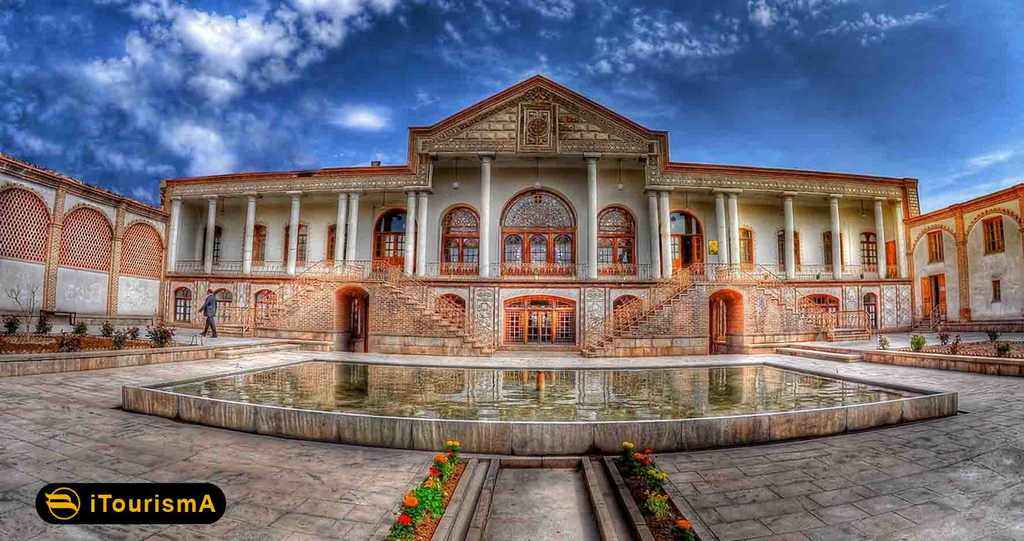
Tabriz

Tabriz is one of the oldest and biggest cities of Iran on the hillside of the Sahand Mountain which is surrounded by mountains in the north, south and east and flat lands as well as the Talkherud salt marsh in the west, like a partly big hollow or a plain with fantastic view among the mountains, at the height of 1350 to 1550 m above the sea level in different areas. Having some of most famous museums, holding some of the cultural events, and harboring a couple of the most prestigious Iranian universities, the city is considered a major hub for science and culture in Iran. Tabriz was named by the Organization of Islamic Conference as the city of the Islamic world tourism. Tabriz was the residence of the crown prince under the Qajar kings. Tabriz has a high political and economic position and best-known as the “Cradle of Investment” due to the ability to attract large investments from private sectors. It is ranked 1 in attracting investment among Iran cities for five consecutive years.

Tabriz

The main industrial productions of this area are foodstuffs, chemicals, non-metallic mineral, basic metals, textiles and carpet machinery.  In addition, Tabriz has been a heavy industrial center including machinery and equipment industries. It is a leading center for Leather production, in addition to being famous for the other arts and handicrafts, for a long time. Tabriz and Maragheh handmade carpets are famous in all around the world due to their specific design and high quality that their export is considered as one of the significant sources of foreign exchanges in Iran.  Today, Tabriz people speak in Turkish language and this city was the capital of Shia in all around the world and most of its residents are followers of Asna Ashari Shia.

Tabriz

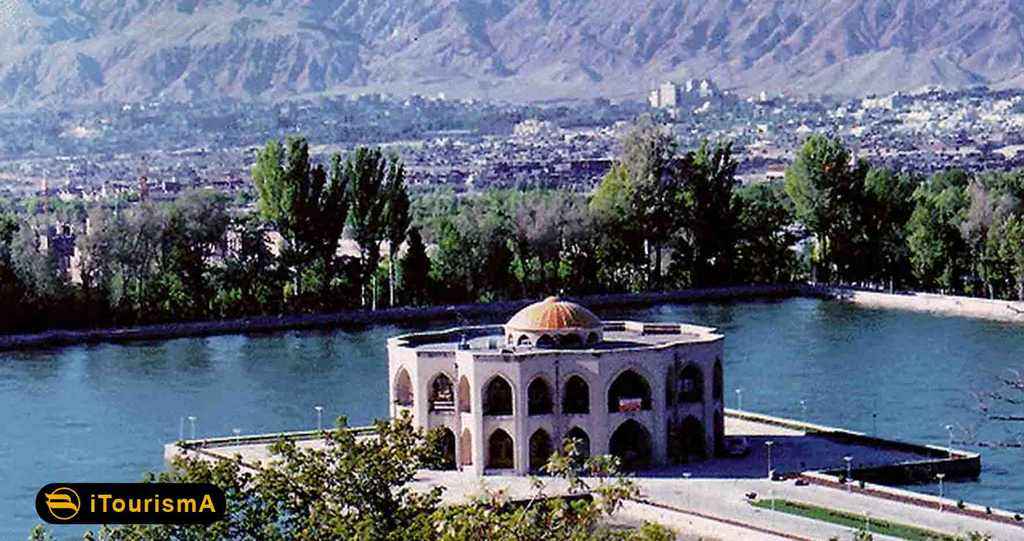
With a very rich history, Tabriz used to house many historical monuments. Unfortunately, many of them were destroyed in repeated invasions and attacks of foreign forces, negligence of the ruling governments, and natural disasters such as earthquakes and floods. What remains now mostly dates back to the Ilkhanids, the Safavids, and the Qajars. Some of the monuments are unrivaled masterpieces of architecture. The most famous monuments of Tabriz are buildings like the Blue Mosque, El Goli Garden, Shahrdari Square, Sa’at Tower and so on.

Tabriz

Portfolio Items